How to Shuffle Tarot Cards: A Beginner-Friendly Guide
June 12, 2026 | By Orion Drake
Learning how to shuffle tarot cards can feel oddly intimidating at first. Tarot decks are usually larger than playing cards, some card stock is stiff, and every reader seems to have a different ritual. The good news is simple: there is no single correct shuffle you have to master before you can pull a card. A good shuffle only needs to mix the deck, help you focus on your question, and feel comfortable enough that you will actually use it. If you want a low-pressure way to practice the same reflective mindset without handling a physical deck, an online random tarot card pull can also help you notice how questions, cards, and meanings connect.
This guide covers beginner-friendly shuffle methods, small-hand adjustments, reversed cards, jumper cards, and what to do after the deck feels ready.
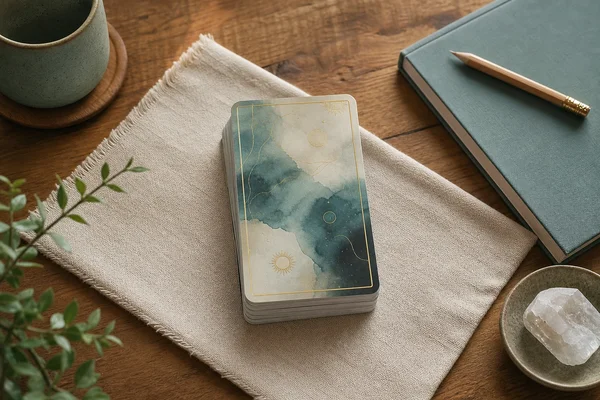
Is There a Correct Way to Shuffle Tarot Cards?
There is no universal rule for how to shuffle tarot cards properly. Different readers use different methods because hands, decks, tables, traditions, and reading styles are different. What matters is consistency, comfort, and attention.
From a practical point of view, shuffling changes the order of the cards so you are not simply pulling from the same sequence again and again. From a reflective point of view, shuffling creates a pause. You get a few moments to choose your question, slow your breathing, and move from ordinary distraction into a more focused reading space.
A beginner does not need to look elegant. Dropping a card, pausing to square the deck, or switching methods is normal. If the shuffle mixes the cards and keeps you present, it is doing its job.
Choose a Shuffle Method That Fits Your Deck
The best shuffle is the one that suits the size of your deck and the way your hands move. Tarot cards can be wider, taller, and thicker than standard playing cards, so a method that works for poker cards may feel awkward with a 78-card tarot deck.
Overhand shuffle for small hands
The overhand shuffle is often the easiest answer for how to shuffle tarot cards with small hands. Hold the deck loosely in one hand. With the thumb and fingers of your other hand, pull small packets from the top or back of the deck and let them fall into your palm. Repeat until the whole deck has moved through your hands.
This method is gentle, quiet, and easy to control. It does not require bending the cards, and it gives you time to repeat your question in your mind. If the full deck feels too thick, split it into two smaller stacks, overhand shuffle each stack, then combine them and repeat.
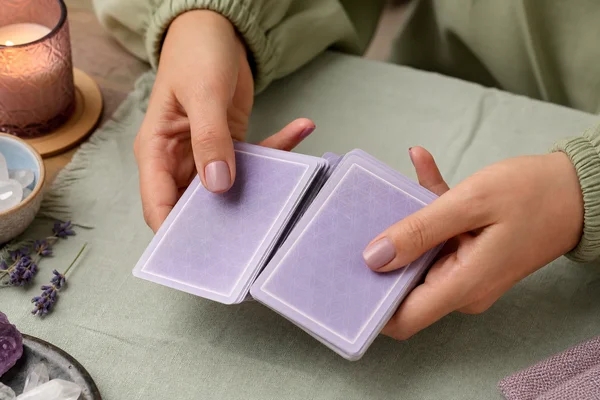
Table wash for new or stiff decks
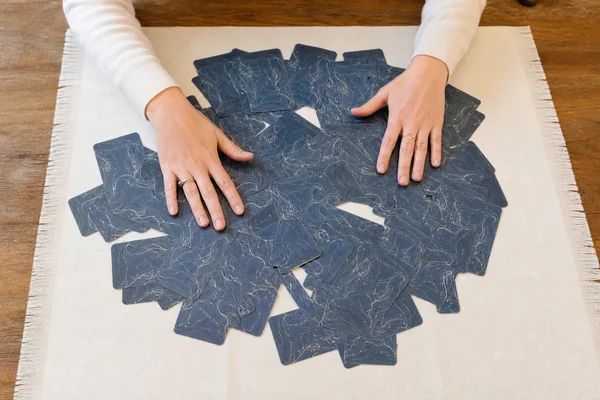
A table wash, sometimes called a scramble, is useful when you have a new deck that still feels ordered from the box. Place all cards face down on a clean table or cloth. Spread them into a loose pile, move them around in circles with both hands, then gather them back into one stack.
This is one of the simplest ways to shuffle a new deck of tarot cards because it breaks up the original order quickly. It also works well for large cards, round cards, or decks that feel too stiff for hand shuffling.
Pile shuffle for structure
A pile shuffle is slower but tidy. Deal the deck face down into several piles, one card at a time, then stack the piles in a new order. You can use three, five, seven, or any number that feels manageable.
This method helps beginners who want visible proof that the deck has been rearranged. It is not very fast, but it is controlled, gentle, and easy on the corners.
Riffle shuffle with caution
The riffle shuffle is the familiar card-game shuffle where two halves interlace. It is fast and satisfying, but tarot cards are often too large or too precious for repeated bending. If you use a riffle shuffle, keep the bend shallow, avoid a hard bridge, and stop if the deck creases or the edges begin to split.
For most beginners, a gentler method is enough. You do not need a dramatic shuffle to get a useful reading.
How to Shuffle Tarot Cards Step by Step
Use this simple routine when you want a repeatable beginner process.
- Clear a small space. A table, desk, cloth, or clean floor area is fine.
- Hold the deck and choose one question or theme. Keep it open-ended, such as "What should I reflect on today?"
- Pick a shuffle method. Overhand is the easiest default; table wash is best for a new deck.
- Shuffle slowly enough to stay focused. If your mind wanders, pause and return to the question.
- Square the deck. Tap the edges lightly so the cards sit in one stack.
- Cut the deck if you like. Move part of the deck to the side and place the lower stack on top.
- Pull your card or cards. Use the top card, fan the deck, or choose the card that naturally draws your attention.
If you are building a habit, keep the routine short. A daily reading works best when it is easy to repeat. You can shuffle for a minute, pull one card, read the basic tarot card meaning, and write one sentence about how it applies to your day.
How to Shuffle Tarot Cards Reversed
Reversed cards appear when some cards are turned upside down in the deck. Readers handle reversals in different ways. Some use them as a softer, blocked, internal, delayed, or opposite expression of the upright meaning. Others keep every card upright and read nuance from the question and surrounding cards.
If you want reversals, you need to let card direction change during shuffling. A table wash is the easiest method: while the cards are face down, rotate some naturally as you move them around. You can also split the deck, turn one half end to end, and then combine the halves with an overhand or pile shuffle.
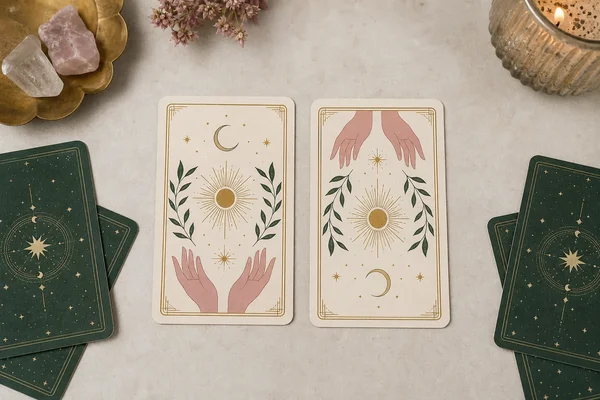
If you do not want reversals, keep the deck facing the same direction. Before you shuffle, make sure all cards are upright. During your shuffle, avoid rotating packets. When a card appears reversed by accident, you can turn it upright and continue.
So, do you shuffle tarot cards upside down? Only if you want reversals to be part of the reading. It is a choice, not a requirement.
How to Shuffle Tarot Cards Without Bending Them
Many beginners worry about damaging a favorite deck. That concern is reasonable, especially if the deck has glossy edges, thick card stock, or art you want to keep clean.
To shuffle tarot cards without bending them, use methods that let cards slide instead of flex. Overhand shuffling, pile shuffling, and table washing are the safest options. Keep your grip relaxed so you are not pinching the corners. Work in smaller packets if the deck feels too wide. If your hands are dry or the cards are slippery, place a reading cloth under the deck so fallen cards do not hit a hard surface.
Avoid forcing a riffle shuffle on a deck that resists it. A deck does not need to bend to be mixed. It only needs to be rearranged.
What About Jumper Cards?
Jumper cards are cards that fall, flip, or fly out while you shuffle. Some readers treat them as meaningful and read them immediately. Others see them as a sign that their hands slipped or their attention drifted.
Choose a jumper rule before you begin. That keeps the moment from becoming confusing. For example:
- If one card jumps cleanly face up, you may read it as part of the spread.
- If several cards scatter, you may return them, take a breath, and shuffle again.
- If a card falls because the deck was too large for your hands, you may treat it as a handling issue rather than a message.
The rule matters less than your consistency. If jumpers make your reading feel chaotic, put them back and continue. If they help you focus, use them gently and without overthinking.
How to Pull Tarot Cards for Yourself After Shuffling
Once the deck feels mixed, you still have to decide how to pick tarot cards after shuffling. Beginners usually do best with one of three approaches.
The top-card method is the simplest: shuffle, cut if you like, and draw from the top. It is tidy and repeatable. The fan method gives you more physical choice: spread the cards face down and select one by touch or visual pull. The stop method is useful when another person is involved, but you can also use it alone by shuffling until you feel ready to stop, then taking the next card.
For self-readings, keep your first spread small. One card is enough for a daily reflection. Two cards can compare "what I notice" and "what I can practice." Three cards can show past, present, and possible next step. If you want to pair physical shuffling with a digital daily habit, a single-card tarot practice can give you a simple reference point for how one-card readings are framed.
After you pull a card, look first at the image before checking a guidebook. Notice the figure, color, direction, mood, and first word that comes to mind. Then read the card meaning and connect it back to your question. Tarot is most useful when the card becomes a prompt for reflection, not a command.
A Gentle Shuffle Routine for Daily Readings
Here is a compact routine you can reuse whenever you are not sure what to do.
Set one clear intention. Overhand shuffle the deck three to five times, or table wash if the deck is new. Cut the deck once. Pull one card from the top. Ask, "What is one useful thing to notice today?" Read the image, check the meaning, and write one practical sentence.
This routine is short enough for mornings, lunch breaks, or quiet evenings. It also keeps the focus on reflection rather than performance. If you do not have your deck nearby, you can explore the same simple rhythm with a gentle random card practice and return to your physical deck later.

The best way to learn how to shuffle tarot cards is to repeat a method that feels calm in your hands. You can adjust the technique over time, but you do not need to wait for perfect confidence before your readings become useful.
FAQ
How many times should you shuffle tarot cards?
There is no required number. Some readers like three, seven, or nine shuffles because a set number feels complete. Others shuffle until the deck feels mixed and their mind feels focused. For beginners, one to three minutes is usually plenty.
How do beginners shuffle tarot cards?
Beginners can start with the overhand shuffle because it is gentle and easy to control. If the deck is brand new or stiff, use a table wash first, then gather the cards into a stack and finish with a few overhand shuffles.
How do you overhand shuffle tarot cards?
Hold the deck in one hand. Use the other hand to pull small packets of cards into your palm, letting each packet fall on top of the last. Continue until the whole deck has moved through your hands, then square the edges.
Should I shuffle tarot cards upside down?
Shuffle upside down only if you want reversed cards. If you prefer upright readings, keep every card facing the same direction and avoid rotating packets while you shuffle.
How do I shuffle tarot cards fast?
Use an overhand shuffle with small packets, or split the deck into two halves and shuffle each half separately before combining them. Fast should still mean controlled; if cards are flying everywhere, slow down.
What should I do if my hands are too small for a tarot deck?
Work with half the deck at a time, use an overhand shuffle, or switch to a table wash. You can also rest the lower edge of the deck against the table while you move small packets with your thumb.
Are jumper cards supposed to be read?
They can be, but they do not have to be. Decide before the reading whether you will use jumpers. If one clear card falls out, you may include it. If several cards scatter, return them and shuffle again.
How do I pick cards after shuffling?
Use the top card, cut the deck and take the new top card, or fan the cards face down and choose one. Pick one method before you begin so the reading feels steady rather than improvised.